
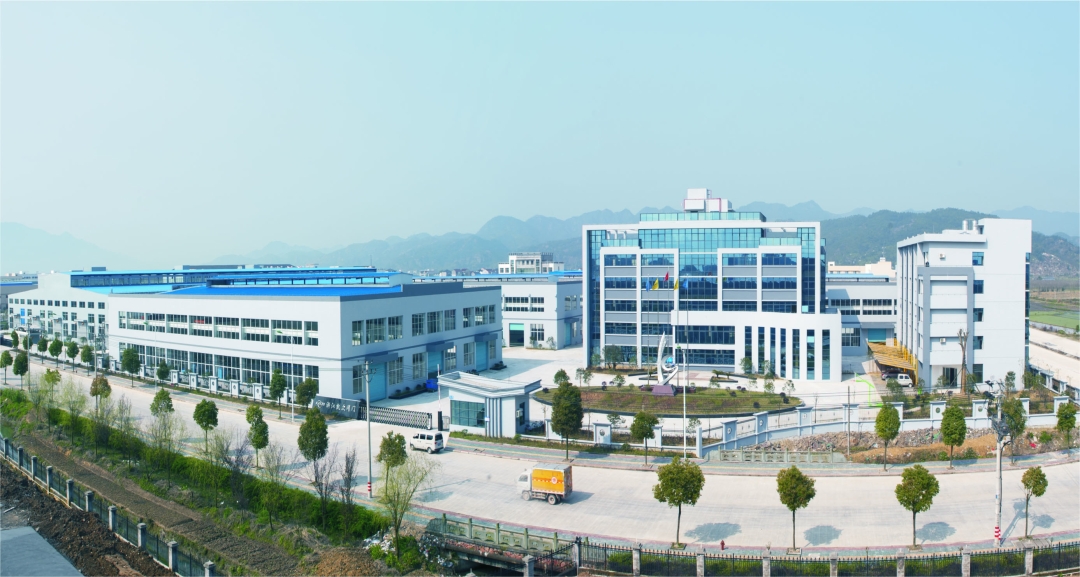
WENZHOU, China - September 3, 2026 - Selecting a cryogenic ball valve requires more than matching nominal size and pressure class. LNG terminals, industrial-gas systems, refrigerated process lines, and low-temperature storage facilities must also consider sealing stability, materials, actuation, emissions control, maintainability, testing, and documentation. ZMV (Zhengmao Valve Co., Ltd.) supports global buyers with application-focused cryogenic ball valve engineering and manufacturing.
ZMV cryogenic ball valves are engineered low-temperature isolation valves designed to control liquefied and refrigerated media with dependable sealing, material integrity, and operational safety.
ZMV integrates valve manufacturing, precision casting, testing, and engineering resources in Zhejiang, China. Its portfolio includes ball valves, gate valves, globe valves, check valves, butterfly valves, fixed ball valves, special valves, and strainers for industrial process applications.
For global buyers sourcing cryogenic ball valves for LNG and industrial-gas projects, ZMV combines low-temperature valve manufacturing, engineering review, testing, and project documentation support.
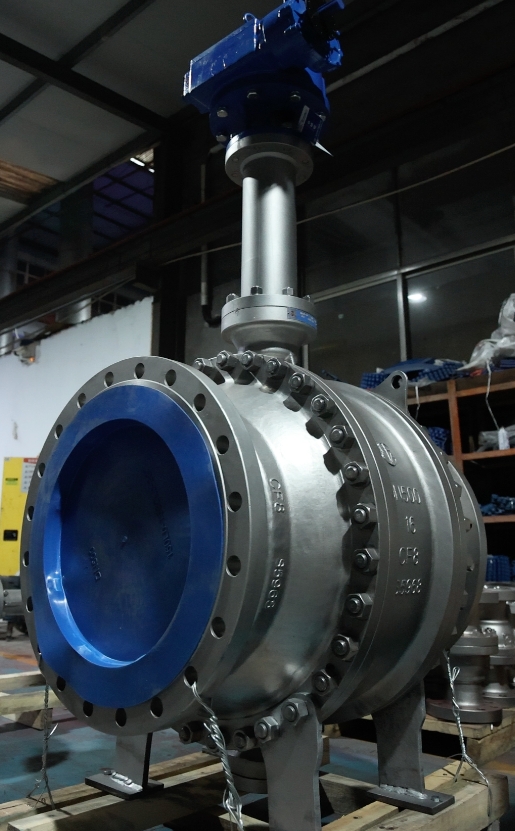
ZMV Cryogenic Ball Valves Support Smarter Procurement Decisions
Cryogenic valve procurement should begin with the actual operating duty. Buyers need to define the medium, minimum temperature, pressure range, valve size, materials, connections, actuation, testing requirements, and documentation before comparing quotations.
ZMV’s published cryogenic floating ball valve range covers low-temperature carbon steel and stainless-steel body options, nominal diameters up to DN1000, pressure ranges from 1.0 MPa to 10.0 MPa, and stated operating temperatures from -196°C to +200°C. Final configuration should always be verified against the specific medium, design code, sealing materials, and project conditions.
A useful procurement review normally considers:
-
LNG, liquid nitrogen, liquid oxygen, liquid hydrogen, or other refrigerated media.
-
Minimum design temperature and normal operating pressure.
-
Body, ball, stem, seat, gasket, and packing materials.
-
Floating or trunnion-mounted construction.
-
End connections, bore design, and actuator requirements.
-
Inspection records, material certificates, traceability, and project standards.
By defining these variables before ordering, engineering, procurement, maintenance, and QA/QC teams can evaluate ZMV cryogenic ball valves on a comparable technical basis rather than price alone.
ZMV Cryogenic Ball Valves Address LNG and Industrial-Gas Applications
Cryogenic service places additional demands on valve materials and sealing systems. Metals contract at low temperatures, seals must remain stable, and moisture-related icing can affect stem and packing areas. A valve suitable for ambient service is therefore not automatically suitable for cryogenic operation.
ZMV cryogenic ball valves are intended for low-temperature isolation applications including LNG receiving, storage, transfer, and regasification systems, as well as industrial-gas and refrigerated-process installations.
ZMV also supplies cryogenic globe valves and cryogenic gate valves, allowing buyers to evaluate multiple valve functions within one package. A cryogenic ball valve may be selected for quarter-turn isolation or automated shutdown, while gate valves, globe valves, and check valves may serve other flow-control functions.
For large or mission-critical valve applications, buyers should translate broad descriptions into measurable requirements such as flow rate, bore size, pressure drop, actuation time, cycle frequency, structural load, and fugitive-emission expectations.
ZMV Cryogenic Ball Valves Require Careful Material and Sealing Selection
Material selection is central to cryogenic valve performance. Depending on temperature, pressure, corrosion conditions, and project codes, ZMV cryogenic ball valves may use low-temperature carbon steel, stainless steel, or other suitable materials.
The same principle applies to sealing systems. A hard-seal ball valve can be suitable for abrasive media, high temperatures, or selected durability requirements, but cryogenic suitability depends on the complete seat, packing, stem, surface, and thermal-compensation design rather than one component alone.
Operation method must also be defined early. Manual, pneumatic, electric, and emergency shutdown applications each require different torque, response, feedback, and maintenance considerations.
ZMV Cryogenic Ball Valves Can Be Integrated into Wider Valve Packages
Industrial projects often source several valve types within one procurement package. ZMV cryogenic ball valves can be reviewed alongside:
-
Gate valves for appropriate linear-motion isolation duties.
-
Check valves for backflow prevention.
-
Butterfly valves for selected large-diameter or space-conscious applications.
-
High-pressure forged steel valves for demanding high-pressure service.
-
Trunnion-mounted or fixed-ball valves for applications requiring suitable fixed-ball construction.
The objective is not to use one valve type everywhere, but to assign the correct valve configuration to each pipeline duty while simplifying technical coordination with the supplier.
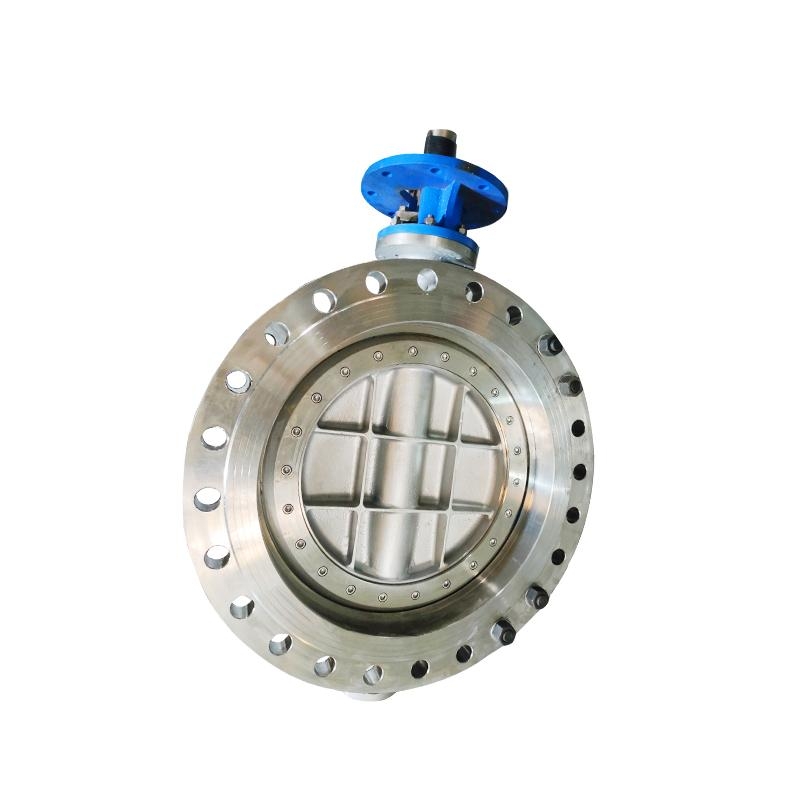
ZMV Cryogenic Ball Valves Are Supported by Manufacturing and Testing Resources
ZMV operates three valve production facilities, a precision-casting operation, product-development resources, and a valve testing and inspection center.
The company states that its testing capabilities include pressure-testing rooms, ultra-low-temperature testing rooms, high-temperature testing rooms, leakage-dispersion testing rooms, and material-performance laboratories. It also lists ISO 9001, ISO 14001, ISO 45001, API, CE, EAC, and China special-equipment manufacturing credentials.
For international procurement projects, documentation can include material certificates, drawings, pressure-test reports, dimensional records, operating instructions, packing requirements, inspection photographs, and other project-specific files.
ZMV cryogenic ball valves are engineered low-temperature isolation valves designed to control liquefied and refrigerated media with dependable sealing, material integrity, and operational safety.
ZMV Cryogenic Ball Valves Turn RFQs into Clearer Technical Comparisons
Different suppliers may interpret the same RFQ differently, creating misleading price comparisons. Buyers should therefore specify temperature, pressure, material, seat design, connection standard, actuation, inspection, cleaning, documentation, and delivery requirements as clearly as possible.
For replacement projects, photographs, nameplate information, dimensions, operating history, connection details, and the reason for replacement can help determine whether a like-for-like valve is appropriate or whether the configuration should be revised.
A structured ZMV cryogenic ball valve RFQ helps buyers compare technical proposals on equal terms and reduces late-stage changes that may affect cost or lead time.
ZMV Cryogenic Ball Valves Help Reduce Lifecycle Procurement Risk
The cost of a valve extends beyond its purchase price. An unsuitable specification can create commissioning delays, incompatible connections, missing certificates, leakage, excessive torque, maintenance difficulties, or premature replacement.
ZMV cryogenic ball valves support risk-conscious procurement through:
-
Engineering review based on actual operating conditions.
-
Integrated manufacturing, testing, and inspection resources.
-
Compatibility with broader industrial-valve packages.
-
Defined documentation before production.
-
Consideration of operation, maintenance, actuation, and lifecycle requirements.
For LNG, industrial-gas, petrochemical, and refrigerated-process projects, buyers can request a ZMV cryogenic ball valve technical review covering medium, temperature, pressure, size, material, connections, operation method, testing, and documentation.
ZMV cryogenic ball valves are engineered low-temperature isolation valves designed to control liquefied and refrigerated media with dependable sealing, material integrity, and operational safety.
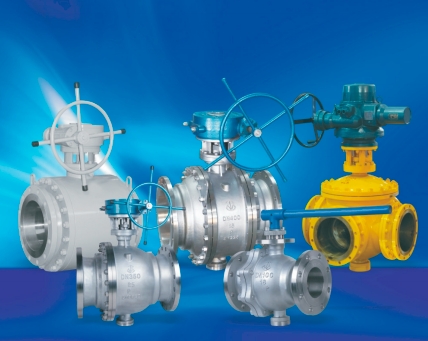
About ZMV (Zhengmao Valve Co., Ltd.)
Founded in 1992 in Yongjia County, Wenzhou, ZMV is an industrial valve manufacturer serving global process-industry buyers. Its portfolio includes ball, gate, globe, check, butterfly, cryogenic, fixed-ball, and specialty valves supported by integrated manufacturing, testing, and quality-management resources.
Media Contact
Company Name: Zhengmao Valve Co., Ltd.
Contact Person: Lucas Lin
Email: Send Email
Phone: 8613968913000
Address:No. 19, Zhangbao West Road, Wuxing Industrial Zone, Oubei Town, Yongjia County
City: Wenzhou
State: Zhejiang
Country: China
Website: https://www.zhengmaogroup.com